Best Sustainable Practices Used By Professional Demolition Services New York NY
Wiki Article
Interior Selective Demolition in New York, NY
Interior selective demolition in New York City represents a thoughtful technique to city remodelling. This method focuses on the preservation of original building components while allowing for contemporary updates. With a concentrate on sustainability, it minimizes waste and promotes recycling. Launching such a project calls for cautious preparation and consideration. What are the vital aspects that must be resolved to ensure an effective end result?Comprehending Selective Demolition
While many might connect demolition with full devastation, selective demolition concentrates on the cautious removal of specific building components to help with renovation or repurposing. This technique permits the conservation of valuable functions, such as historical artefacts or architectural components, which can be important to a structure's integrity and character. Selective demolition entails an organized approach, typically starting with detailed assessments to determine which components can be restored and which need to be removed.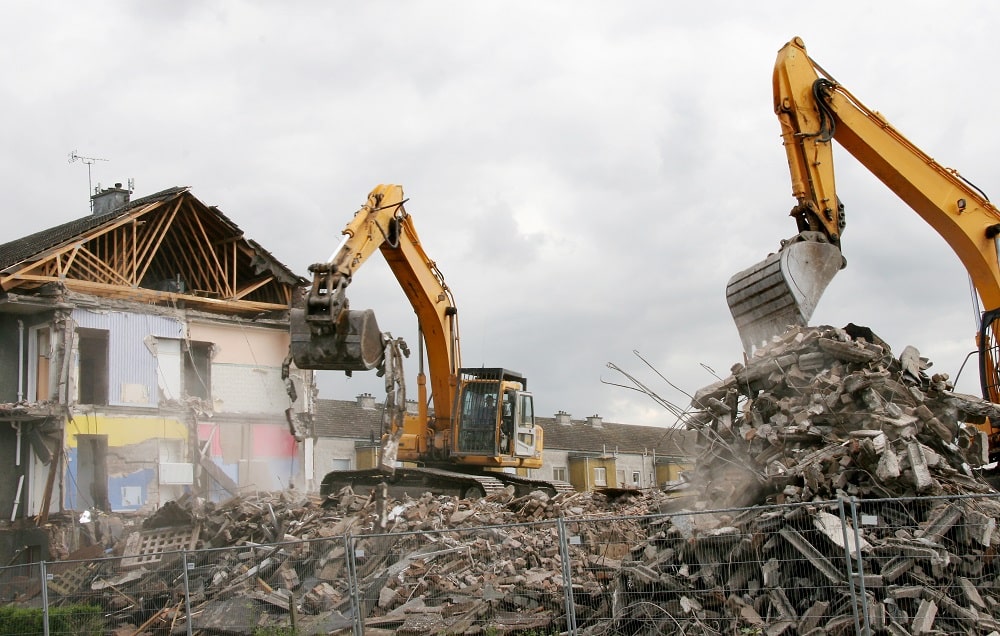
Advantages of Interior Selective Demolition
Interior selective demolition supplies considerable benefits, primarily with eco-friendly waste management and cost-effective improvement options. By concentrating on particular locations for demolition, this strategy decreases land fill waste and promotes the recycling of materials. In addition, it permits homeowner to attain their improvement objectives without sustaining too much expenses.Eco-friendly Waste Management
Eco-friendly waste management is a substantial advantage of interior selective demolition, as this technique enables for the mindful elimination and recycling of materials. Unlike traditional demolition, which often brings about extreme waste in garbage dumps, selective demolition concentrates on restoring recyclable aspects, such as fixtures, flooring, and architectural parts. This strategy not just minimizes ecological effect but also conserves natural deposits. By focusing on recycling and repurposing, interior selective demolition supports sustainability campaigns and motivates accountable waste disposal techniques. Additionally, it lessens the carbon footprint related to brand-new material production and transport. As an outcome, homeowners and companies can add to a greener future while taking on restoration jobs, making environmentally friendly waste management an engaging reason to pick this approach.Affordable Renovation Options
By deciding for selective demolition, homeowner can access a series of affordable restoration choices that are often forgotten in conventional techniques. This method permits for targeted removal of particular elements, maintaining useful structures and lowering unnecessary expenditures. By restoring products such as fixtures, flooring, and cabinets, building proprietors can especially reduce remodelling prices while promoting sustainability. Additionally, selective demolition reduces waste, leading to savings on disposal costs and connected labor prices - demolition contractor new york. The approach additionally allows quicker task timelines, as it concentrates on important locations as opposed to entire areas. Inevitably, this technique assists home proprietors achieve their restoration objectives while taking full advantage of spending plan performance and minimizing disturbance, making it a smart choice for any type of restoration task in New YorkTrick Considerations Before Starting a Project
What factors should be considered before starting on an indoor selective demolition task in New York? Initially, it is vital to examine the architectural honesty of the building. Recognizing which components or walls can be eliminated without compromising safety is critical. Additionally, one have to take into consideration the local regulations and allows required for demolition work, as New York has strict standards to assure safety and security and compliance.Another important element is the evaluation of dangerous materials, such as asbestos or lead paint, which may need customized handling and disposal. Spending plan restrictions play a significant function too, affecting both the range of the project and the selection of contractors. The timeline needs to be developed, factoring in possible interruptions to adjacent rooms and the total job duration. By addressing these factors to consider, job stakeholders can minimize threats and guarantee a smoother demolition procedure.
The Process of Selective Demolition
The process of selective demolition begins with thorough planning and analysis to determine which structures and materials need elimination. This stage is important for ensuring safety and efficiency throughout the task - legendary demolition new york. Complying with the evaluation, secure elimination techniques are used to reduce interruption and shield the surrounding environmentPlanning and Evaluation
Efficient preparation and analysis are essential action in the process of selective demolition, particularly in an intricate city setting fresh York. An extensive examination of the website is necessary to recognize structural elements, hazardous materials, and historical importance. This evaluation notifies the range of work, ensuring that only targeted areas are knocked down while maintaining the stability of nearby structures. Cooperation with engineers, designers, and governing bodies is necessary to create a comprehensive strategy that abides by safety requirements and local policies. Additionally, timelines and budget plans should be meticulously described to alleviate disturbances and warranty reliable implementation. By prioritizing comprehensive planning and analysis, job stakeholders can properly browse the difficulties of selective demolition in a densely inhabited city.Safe Elimination Techniques
Using risk-free removal strategies is necessary for successful selective demolition, particularly in urban environments like New York. These techniques consist of cautious planning and using appropriate devices and devices to reduce risks. Employees commonly utilize approaches such as hand demolition, where manual devices are used to take down structures progressively, making sure that surrounding locations remain undisturbed. Furthermore, the application of protective obstacles and dirt control actions is crucial to safeguard both workers and nearby residents. Appropriate garbage disposal and recycling methods are also highlighted to lower environmental effect. Training and adherence to safety and security procedures additionally enhance the efficiency of these strategies, ensuring that selective demolition projects are carried out successfully and without case.Security Actions in Selective Demolition
Security in selective demolition is essential, ensuring the defense of workers, bystanders, and the surrounding environment. Reliable safety actions start with detailed danger analyses, identifying prospective threats such as structural instability, unsafe materials, and sound. Workers should be properly learnt legendary demolition new york safety and security procedures and equipped with personal protective gear, including safety helmets, handwear covers, and respiratory system security.The execution of website barriers can help limit unauthorized access, protecting bystanders from possible risks. Additionally, correct garbage disposal treatments are critical to stop ecological contamination. Routine safety and security audits and examinations must be conducted to assure compliance with safety and security guidelines and determine any kind of needed improvements.
Instance Researches: Successful Selective Demolition Tasks in New York City
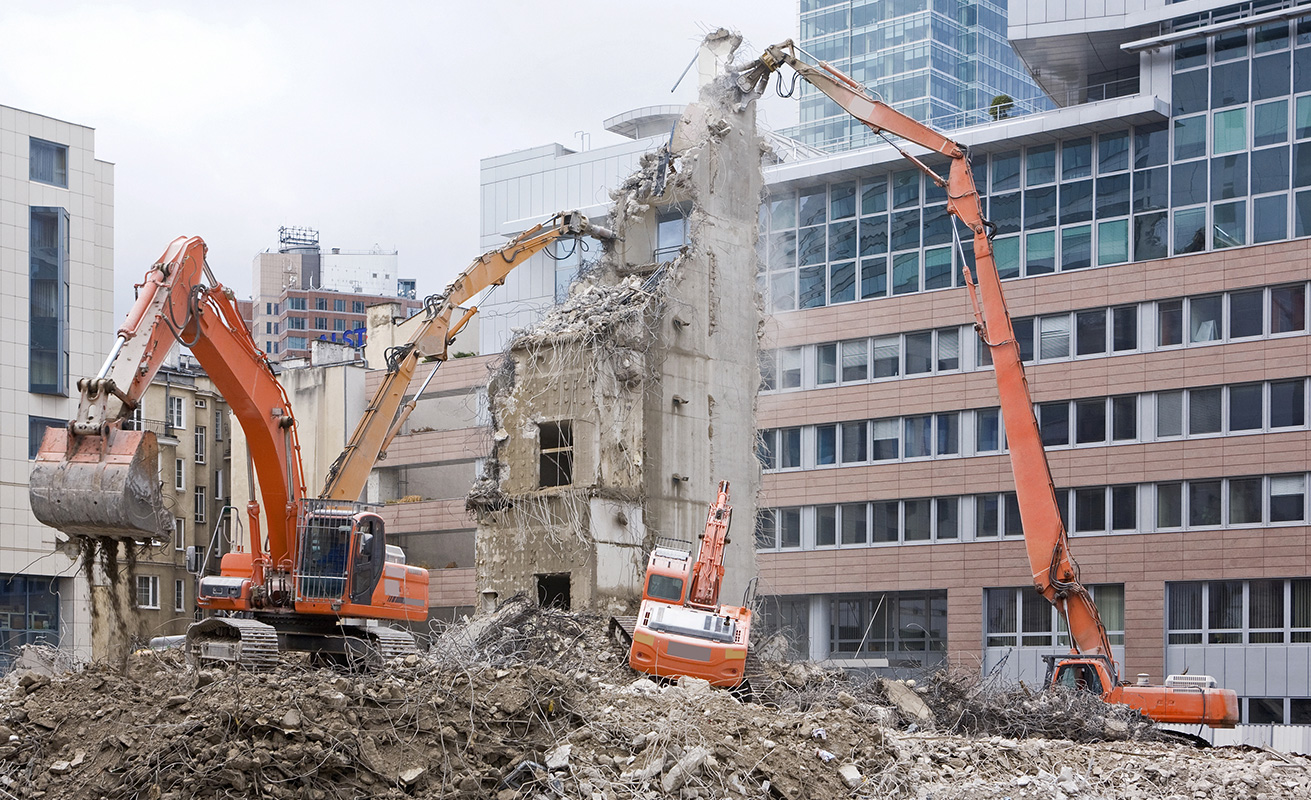
Selective demolition in New York City has accomplished significant success via numerous innovative jobs that highlight the importance of cautious preparation and execution. One such job involved the renovation of a historical structure in the Bowery, where indoor walls were uniquely removed to produce open spaces while protecting original building aspects - local demolition contractor new york. This technique not only kept the building's historical honesty but also modernized its capabilityOne more instance research study included the conversion of an old storage facility in Brooklyn into deluxe homes. Selective demolition enabled for the removal of non-structural components, taking full advantage of all-natural light and improving living spaces. The job exemplified exactly how thoughtful demolition practices can bring about sustainable redevelopment.
A Downtown office restoration showcased the effective use of selective demolition to update out-of-date centers while reducing waste. These instances show that strategic planning and implementation in selective demolition can generate successful results, boosting both aesthetic appeals and functionality in metropolitan settings.
Frequently Asked Questions
Just How Much Does Interior Selective Demolition Normally Price in NYC?
Usually, indoor selective demolition expenses vary from $3 to $10 per square foot, depending on elements like job dimension, intricacy, and products entailed. Variants might happen based upon professional experience and neighborhood market problems.
What Permits Are Required for Selective Demolition in New York?
Authorizations for selective demolition generally consist of a demolition license, environmental analysis approvals, and feasible notice to bordering buildings. Certain demands may differ based on the structure's age, place, and neighborhood guidelines governing building and construction activities.For how long Does a Selective Demolition Task Typically Take?
A discerning demolition job typically takes one to 3 weeks, depending on the job's dimension and complexity. Elements such as website conditions, called for permits, and control with other service providers can influence the timeline considerably.Can I Stay In My Home During Selective Demolition?
Residing in a home throughout selective demolition can be feasible, depending upon the level of the work and safety and security precautions. Nevertheless, homeowners ought to expect sound, dirt, and potential disturbances, necessitating cautious factor to consider and preparation.What Takes place to the Debris After Selective Demolition Is Completed?
After selective demolition is completed, the debris is typically sorted for recycling and disposal. Salvageable materials may be recycled, while non-recyclable waste is moved to landfills, guaranteeing accountable administration of construction waste.While several may connect demolition with full destruction, selective demolition focuses on the careful elimination of certain structure components to promote renovation or repurposing. Unlike traditional demolition, which often leads to extreme waste in garbage dumps, selective demolition focuses on salvaging reusable elements, such as fixtures, floor covering, and architectural parts. What variables should be taken into account before starting on an interior selective demolition job in New York? Licenses for selective demolition usually consist of a demolition permit, environmental analysis approvals, and feasible notice to surrounding residential properties. A discerning demolition task usually takes one to three weeks, depending on the project's dimension and complexity.
Report this wiki page